Fields Jobs
How are interest rates provided on the Construction Market?

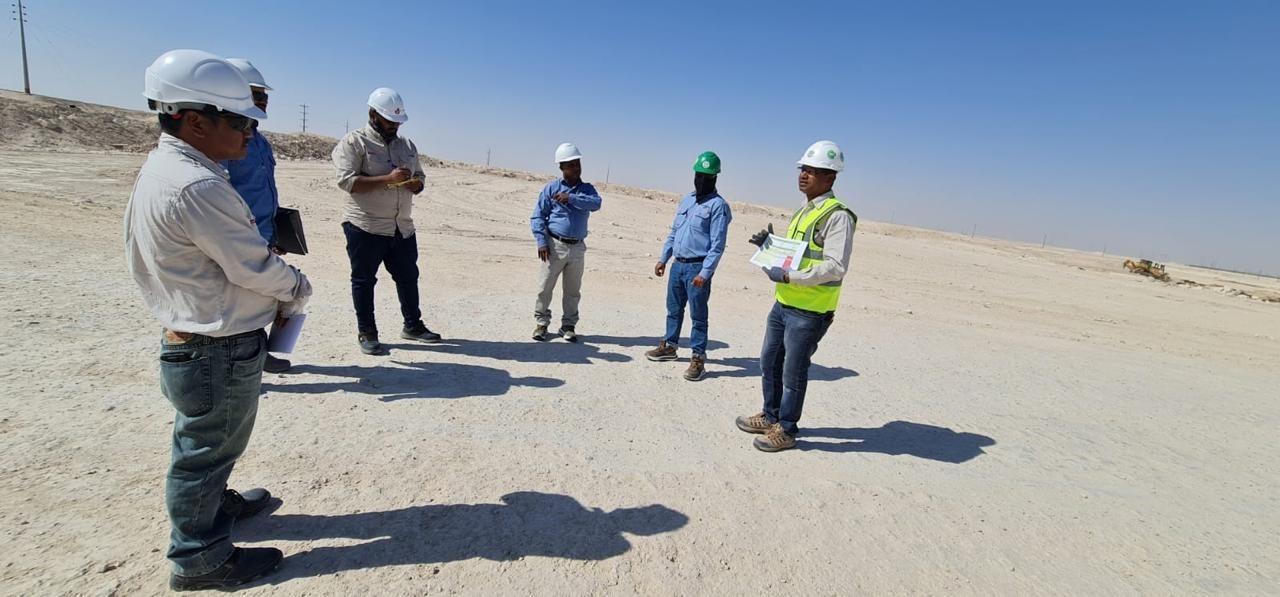
The construction market is one of the most crucial economic sectors directly impacted by the Central Bank's decisions regarding interest rates. Construction companies and real estate developers rely heavily on bank financing to execute projects. Any increase in interest rates significantly affects their ability to borrow and expand.
In this article, we will explore in detail how interest rates impact the construction market and what strategies companies can adopt to adapt to these changes.
1. How Do Interest Rates Affect Construction Company Financing?
Financing is a fundamental factor in the construction market, as companies rely on loans to fund large-scale projects, such as residential towers, commercial complexes, and infrastructure. When interest rates rise:
- Loan costs increase: Higher interest rates make bank loans more expensive, leading to higher construction costs and project delays.
- Reduced borrowing rates: Companies hesitate to take out new loans due to high interest, resulting in fewer new projects in the construction market.
- Weaker cash flow: With higher financing costs, companies are forced to allocate a large portion of their profits to interest payments instead of expanding into new projects.
Impact on the Market
- Many construction projects are delayed or canceled due to rising construction costs.
- Investments in the construction sector decline, affecting employment rates and economic activity.
- Some small and medium-sized companies may exit the construction market due to financial burdens.
2. Impact of Interest Rates on Construction Material Costs
Higher interest rates often lead to an increase in the exchange rate of the US dollar against the Egyptian pound, which directly affects the prices of imported construction materials such as:
- Steel
- Cement
- Wood
- Paints and ceramics
As the cost of construction materials rises, construction companies may:
- Increase property prices to compensate for rising material costs.
- Renegotiate contracts with developers due to increased project execution costs.
- Slow down project execution, leading to delays in delivery and added financial burdens.
How Does This Impact the Construction Market?
- Higher project costs result in reduced demand for residential and commercial properties.
- Developers may postpone new projects due to rising expenses.
- Pricing conflicts between developers and construction companies may arise, as seen in 2024 when prices surged unexpectedly.
3. How Do Interest Rates Affect Individual Purchasing Decisions?
The construction market is indirectly influenced by individuals’ purchasing decisions, as:
- When interest rates rise, mortgage loan costs increase, reducing demand for apartments and villas.
- When interest rates drop, mortgage loans become more affordable, boosting demand for residential properties and stimulating the construction market.
Impact on the Market
- During periods of high interest rates, investors prefer to save money in banks rather than invest in real estate.
- A decline in buying and selling activity leads to stagnation in the construction market, threatening the continuity of some real estate projects.
- Conversely, lower interest rates encourage property purchases, leading to a construction boom.
4. How Can Construction Companies Mitigate the Impact of High Interest Rates?
To address the challenges posed by rising interest rates, companies in the construction market can adopt strategies such as:
- Seeking lower-cost financing alternatives: Such as funding through investment funds or partnering with investors.
- Bulk purchasing and stockpiling construction materials: To anticipate price increases and reduce the impact of inflation.
- Expanding government-backed projects: As the government offers flexible payment terms and finances large-scale infrastructure projects.
- Implementing more flexible contract models: Such as FIDIC contracts, which allow price adjustments based on market changes.
Conclusion
Higher interest rates have a direct impact on the construction market by increasing financing costs, raising material prices, and reducing demand for real estate. On the other hand, lower interest rates stimulate the market and attract more investment into the sector.
Therefore, it is crucial for construction companies and real estate developers to closely monitor interest rate trends and implement strategies to ensure project continuity without being severely affected by market fluctuations.
Get the latest news and updates
Subscribe with us now and learn everything new about Eva