Blog
sections
Latest articals

2025-Jan-21
CEO of the company Eng-khaled elsaka

2024-Oct-18
Finding the Perfect Home: Steps and Helpful Tools
2024-Oct-17
The importance of sustainability in daily life

2024-Oct-17
Art and creativity in improving the quality of life

How are interest rates provided on the Construction Market?
The construction market is one of the most crucial economic sectors directly impacted by the Central Bank's decisions regarding interest rates. Construction companies and real estate developers rely heavily on bank financing to execute projects. Any increase in interest rates significantly affects their ability to borrow and expand.
In this article, we will explore in detail how interest rates impact the construction market and what strategies companies can adopt to adapt to these changes.
1. How Do Interest Rates Affect Construction Company Financing?
Financing is a fundamental factor in the construction market, as companies rely on loans to fund large-scale projects, such as residential towers, commercial complexes, and infrastructure. When interest rates rise:
- Loan costs increase: Higher interest rates make bank loans more expensive, leading to higher construction costs and project delays.
- Reduced borrowing rates: Companies hesitate to take out new loans due to high interest, resulting in fewer new projects in the construction market.
- Weaker cash flow: With higher financing costs, companies are forced to allocate a large portion of their profits to interest payments instead of expanding into new projects.
Impact on the Market
- Many construction projects are delayed or canceled due to rising construction costs.
- Investments in the construction sector decline, affecting employment rates and economic activity.
- Some small and medium-sized companies may exit the construction market due to financial burdens.
2. Impact of Interest Rates on Construction Material Costs
Higher interest rates often lead to an increase in the exchange rate of the US dollar against the Egyptian pound, which directly affects the prices of imported construction materials such as:
- Steel
- Cement
- Wood
- Paints and ceramics
As the cost of construction materials rises, construction companies may:
- Increase property prices to compensate for rising material costs.
- Renegotiate contracts with developers due to increased project execution costs.
- Slow down project execution, leading to delays in delivery and added financial burdens.
How Does This Impact the Construction Market?
- Higher project costs result in reduced demand for residential and commercial properties.
- Developers may postpone new projects due to rising expenses.
- Pricing conflicts between developers and construction companies may arise, as seen in 2024 when prices surged unexpectedly.
3. How Do Interest Rates Affect Individual Purchasing Decisions?
The construction market is indirectly influenced by individuals’ purchasing decisions, as:
- When interest rates rise, mortgage loan costs increase, reducing demand for apartments and villas.
- When interest rates drop, mortgage loans become more affordable, boosting demand for residential properties and stimulating the construction market.
Impact on the Market
- During periods of high interest rates, investors prefer to save money in banks rather than invest in real estate.
- A decline in buying and selling activity leads to stagnation in the construction market, threatening the continuity of some real estate projects.
- Conversely, lower interest rates encourage property purchases, leading to a construction boom.
4. How Can Construction Companies Mitigate the Impact of High Interest Rates?
To address the challenges posed by rising interest rates, companies in the construction market can adopt strategies such as:
- Seeking lower-cost financing alternatives: Such as funding through investment funds or partnering with investors.
- Bulk purchasing and stockpiling construction materials: To anticipate price increases and reduce the impact of inflation.
- Expanding government-backed projects: As the government offers flexible payment terms and finances large-scale infrastructure projects.
- Implementing more flexible contract models: Such as FIDIC contracts, which allow price adjustments based on market changes.
Conclusion
Higher interest rates have a direct impact on the construction market by increasing financing costs, raising material prices, and reducing demand for real estate. On the other hand, lower interest rates stimulate the market and attract more investment into the sector.
Therefore, it is crucial for construction companies and real estate developers to closely monitor interest rate trends and implement strategies to ensure project continuity without being severely affected by market fluctuations.

Artificial Intelligence in Construction: A Technological Revolution in the Contracting Industry
With rapid advancements in technology, artificial intelligence in construction has become one of the key drivers reshaping the contracting sector. Major companies in this field rely on smart solutions to enhance performance, reduce costs, and improve project efficiency. As the need for innovation grows, the role of artificial intelligence has become essential in improving design, execution, and management processes.
1. How is AI Changing the Future of the Contracting Industry?
Contracting companies have long faced major challenges such as project delays, high costs, and human errors. With the integration of artificial intelligence in construction, it is now possible to optimize operational processes significantly through data analysis, risk prediction, and the development of smarter execution strategies.
Key Changes Brought by AI in Construction and Contracting:
✔ Smart Data Analysis: Used to process vast amounts of data for precise decision-making.
✔ Process Automation: Reduces the need for human intervention in repetitive tasks.
✔ Better Resource Allocation: Enhances budget management and efficiency.
✔ Minimizing Human Errors: Through data analysis systems and computer vision technology.
2. Key Applications of AI in the Construction and Contracting Sector
A. Smart Design and Planning Enhancement
Artificial intelligence in construction is used to develop more sustainable and efficient designs. Smart systems can analyze variables such as material costs, environmental conditions, and performance expectations, helping create buildings that are more energy-efficient and safer.
B. Project Management and Risk Prediction
Utilizing artificial intelligence in construction enhances project management by analyzing historical data and forecasting potential challenges. AI-powered systems can provide recommendations to optimize schedules and avoid costly delays.
C. Automation and Robotics in Construction Sites
AI-powered robots are being used to perform repetitive tasks such as painting, bricklaying, and welding, reducing costs and improving quality. These technologies also help minimize risks and enhance safety at construction sites.
D. Quality Monitoring and Data Analysis
AI systems enable real-time monitoring of construction quality through image and video analysis, allowing early error detection and reducing the need for rework.
E. Smart Maintenance and Fault Prediction
After project completion, AI-powered systems allow continuous building monitoring and data analysis to predict maintenance needs before issues arise, reducing unplanned maintenance costs.
3. Major Benefits of AI in Construction
🔹 Increased Efficiency and Cost Reduction: Helps lower operational costs by optimizing resource management and minimizing waste.
🔹 Reduced Project Delays: Provides accurate scheduling based on historical data and advanced analytics.
🔹 Enhanced Safety: Decreases workplace accidents by monitoring construction sites and utilizing robots for hazardous tasks.
🔹 Improved Design Quality: Aids in developing innovative designs through intelligent data analysis.
🔹 Performance Analysis and Productivity Enhancement: Offers detailed insights into project performance, enabling continuous improvements.
4. Challenges Facing AI Implementation in Construction and Contracting
Despite its numerous advantages, implementing artificial intelligence in construction comes with certain challenges, including:
High Implementation Costs: Companies need substantial investments in AI technologies and workforce training.
Lack of Technical Expertise: Workers require training to handle modern AI-powered systems.
Integration with Traditional Systems: Merging AI with existing infrastructure can be technically complex.
Privacy and Security Concerns: AI technologies rely on vast amounts of data, requiring robust security measures to prevent breaches.
5. The Future of Artificial Intelligence in Contracting
Artificial intelligence in construction is expected to continue evolving, becoming an essential element in all stages of project execution. With advancements in machine learning and computer vision technologies, the contracting sector will become more efficient and intelligent, contributing to increased productivity and long-term cost savings.
Future Trends in AI for Contracting:
Increased Use of Robotics in complex and hazardous tasks.
Big Data Analysis to improve planning and decision-making.
Sustainable Construction using AI-driven solutions to reduce environmental impact.
Enhanced Maintenance Operations with predictive analytics for proactive problem-solving.
Conclusion
Artificial intelligence in construction represents a true revolution in the contracting industry, improving project efficiency, reducing costs, and enhancing safety on construction sites. As these technologies continue to evolve, companies will achieve unprecedented levels of productivity and quality. However, to fully leverage AI's potential, businesses must invest in technology and training to keep pace with this rapid transformation.
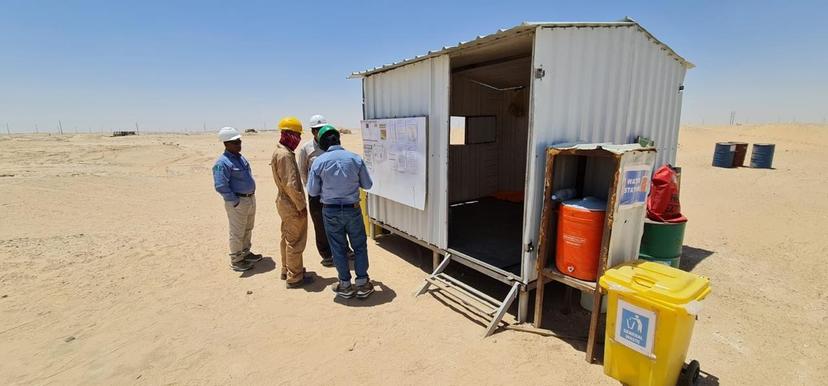
The importance of effective communication at work
Effective communication at work is one of the key factors for achieving success within organizations. Good communication helps to enhance collaboration among teams and increase productivity. When clear and open communication is available, employees can better understand objectives and make informed decisions. Effective communication also contributes to faster problem-solving and improves working relationships between colleagues. Training in communication skills is essential for every employee to ensure a professional and harmonious work environment.

Art and creativity in improving the quality of life
Art and creativity have a profound impact on improving quality of life. Art can be a powerful means of self-expression, helping individuals cope with emotional and psychological challenges. Creativity in daily life, whether at work or in hobbies, can enhance the sense of accomplishment and reduce stress levels. Arts such as painting, music, and acting provide opportunities for mental relaxation and escape from the pressures of daily life, boosting individual well-being. Art contributes to building a culture filled with innovation and inspiration, which is essential for improving personal and community life.
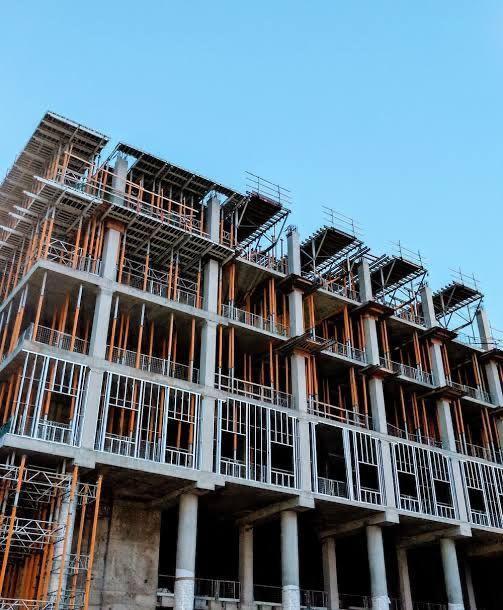
The importance of sustainability in daily life
Sustainability in daily life has become a necessity to secure a better future for generations to come. By adopting sustainable habits such as reducing water and electricity consumption, and using recyclable products, we can lessen our environmental impact. Sustainability is not only about preserving the environment but also reducing long-term costs, such as saving energy in homes and businesses. Moreover, focusing on sustainability enhances social awareness and encourages communities to adopt more responsible solutions in all aspects of life.
Finding the Perfect Home: Steps and Helpful Tools
The journey to find the perfect home begins with identifying basic needs, such as location, size, and budget. It is advisable to start your search through online real estate platforms that provide multiple options and make comparing properties easier. This is followed by scheduling field visits to ensure that the property meets expectations on the ground. Consulting a trusted real estate broker can help facilitate the process and provide valuable advice on pricing and the market. Finally, carefully negotiate the price and terms to ensure the best possible deal.
Get the latest news and updates
Subscribe with us now and learn everything new about Eva